napoleonlist31
napoleonlist31
Navigating the Essentials of Construction Bonds: A Contractor’s Guide to Approval
 How do I apply for a construction bond?
To apply for a construction bond, contractors must gather necessary documentation, including financial statements and project details. They should also assess their creditworthiness and select a reputable surety company that aligns with their bonding needs.
 Can I negotiate bond premiums?
Yes, contractors can negotiate bond premiums, especially if they have a strong financial history and a good relationship with their surety company. Bundling bond needs may also provide leverage for better rates.
 Each type of bond serves a unique function but collectively, they reinforce the contractor’s commitment to fulfilling their contractual obligations. Understanding the specific requirements of each bond type is crucial for contractors who want to navigate the surety bond landscape effectively. By leveraging all available bonds, contractors can enhance their reputation and instill confidence in their clients.
Understanding Construction Bonds and Their Importance
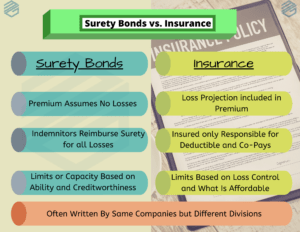
Construction bonds are essential tools in the construction industry, acting as a form of insurance that protects project owners from financial loss due to contractor defaults. There are several types of bonds, including performance bonds, which guarantee the completion of a project as per the contract, and payment bonds, which ensure that subcontractors and suppliers are paid on time. This financial backing not only helps to maintain trust between contractors and clients but also reinforces the integrity of the construction process.
Understanding these different types of construction bonds is vital for both contractors and project owners. For a practical reference, consult Swiftbonds Surety Bond Guidance for related insights and background. By knowing which bond to secure for each project, stakeholders can protect their interests and mitigate risks associated with construction projects. In addition, it is essential to stay updated on local regulations and requirements regarding construction bonds, as these can vary widely by jurisdiction.
How can I improve my chances of securing a bond?
Enhancing your financial profile, gathering comprehensive documentation, and working with a surety bond agent can significantly improve your chances of securing a bond. Building relationships with bonding companies is also beneficial.
To tackle these challenges, contractors should proactively address any potential weaknesses in their applications. For supporting details, review Swiftbonds Surety Bond Guidance to see common pitfalls and fixes. For instance, if financial statements are lacking, seeking assistance from an accountant to provide accurate and comprehensive documents can be helpful. Additionally, if credit history poses a challenge, focusing on improving credit scores prior to applying for a bond can yield positive results.
Weighing the pros and cons of construction bonds is essential for all stakeholders. While these bonds provide significant advantages in terms of security, credibility, and legal compliance, they also come with associated costs and potential disputes. Understanding both sides of the equation can help stakeholders make informed decisions, ultimately leading to successful project outcomes.
Performance Bonds Explained
Performance bonds are essential in ensuring that contractors fulfill their contractual obligations. In essence, a performance bond guarantees that the contractor will complete the project according to the terms outlined in the contract. If the contractor fails to do so, the surety is responsible for compensating the project owner for any losses incurred. This bond is crucial for large projects, as it mitigates the risk that the project owner faces when hiring a contractor.
In addition to protecting project owners, construction bonds also benefit contractors. By securing a bond, contractors can enhance their credibility and marketability. It signals to potential clients that they are financially responsible and capable of completing projects. Furthermore, having a bond can facilitate smoother interactions with subcontractors and suppliers, as it assures them of payment and encourages a collaborative working environment. Hence, understanding the multifaceted role of construction bonds is vital for fostering trust and promoting healthy business relationships in the construction industry.
While surety bonds offer significant advantages, they are not without drawbacks. It is crucial for contractors to weigh these pros and cons carefully before deciding to pursue bonding. By understanding both sides, contractors can make informed decisions that align with their business goals.
When a construction bond is issued, it involves three parties: the principal (usually the contractor), the obligee (often the project owner), and the surety (the bond issuer). These bonds provide a guarantee that the principal will fulfill their contractual obligations. If they fail to do so, the obligee can make a claim against the bond. This situation raises pertinent questions: What are the types of claims? How are they processed? What are the potential outcomes? Knowledge of these aspects can empower contractors, owners, and sureties alike, fostering a more secure construction environment.