keishaharcus89
keishaharcus89
Mastering the Art of Surety for Construction Projects
 What factors do sureties consider when evaluating bonding capacity?
Sureties evaluate various factors, including a contractor’s financial health, project history, risk management practices, insurance coverage, and relationships with surety companies. Each of these elements contributes to the overall assessment of a contractor’s reliability and capability.
 Qualifying for Construction Bonds
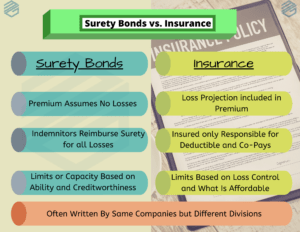
Qualifying for construction bonds is a multi-step process that requires contractors to demonstrate their financial stability, industry experience, and reliability. The surety company will typically assess the contractor’s credit history, financial statements, and overall business operations. Contractors should prepare to provide documentation that reflects their financial health and history of project completion.
 In today’s competitive landscape, businesses are constantly seeking innovative solutions to enhance their operational capacity and financial stability. One such solution that is often overlooked is the use of surety bonds. These financial instruments not only serve as a guarantee for project completion but also provide an avenue for businesses to expand their capacity quickly without incurring excessive debt. Understanding how surety bonds work and their potential benefits can pave the way for smarter financial decisions and growth opportunities.
If you want a deeper dive, check visit the next site for step-by-step guidance. Investing in technology also demonstrates a commitment to operational excellence, which can enhance a contractor’s reputation with surety companies. As the construction industry continues to evolve, those who embrace technological advancements are better positioned to thrive and secure bonding opportunities.
How can I speed up the payment process in bonded construction?
To speed up the payment process, contractors should focus on improving documentation practices, utilizing technology for efficient record-keeping, and establishing clear communication channels with clients and subcontractors.
Bond Type
Purpose
Key Features
Performance Bond
Guarantees project completion
Covers project cost if contractor defaults
Payment Bond
Ensures payment to subcontractors and suppliers
Protects subcontractors from non-payment
Bid Bond
Secures bid submission
Compensates project owner if contractor does not honor bid
Maintenance Bond
Covers repairs for a specific period post-completion
Ensures construction standards are maintained
License Bond
Required for certain trades to operate legally
Protects consumers against contractor misconduct
Additionally, contractors should take advantage of educational opportunities offered by surety companies. For a practical reference, consult visit the next site for a clear overview. Many sureties provide resources such as training sessions, webinars, and workshops that can enhance contractors’ understanding of the bonding process and requirements. By actively participating in these programs, contractors can position themselves as informed and engaged partners, potentially leading to better bonding terms and rates.
Ensuring Contract Clarity
Ensuring clarity in contracts is essential for preventing misunderstandings. Contractors should strive to use clear and precise language, avoiding jargon that may confuse other parties. Each contract should detail the scope of work, payment terms, and conditions for changes or disputes. By taking the time to create clear contracts, contractors can set the stage for smoother project execution and payment processes.
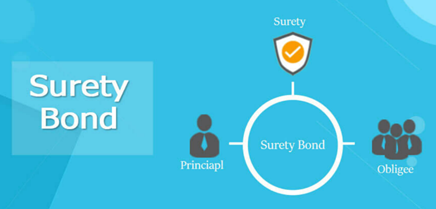
In practice, when a contractor applies for a surety bond, they undergo a thorough underwriting process. This evaluation assesses their financial stability, experience, and ability to complete the project at hand. The better the contractor’s track record and financial health, the easier it is to obtain a bond. This process not only serves as a risk mitigation tool for the obligee but also acts as a form of credit enhancement for the contractor, allowing them to take on larger projects than they might otherwise be able to manage.
Types of Bonds in Construction
There are primarily three types of bonds that contractors should be acquainted with: performance bonds, payment bonds, and bid bonds. Performance bonds are required by project owners to guarantee that the contractor will complete the project as specified. This bond protects the owner financially if the contractor fails to meet their obligations. Payment bonds ensure that subcontractors and suppliers receive payment for their contributions to the project, further enhancing financial security. Bid bonds are often required during the bidding process, ensuring that the contractor will honor their bid and enter into the contract if selected.
 Working with Surety Bond Professionals
Engaging with surety bond professionals can greatly simplify the bonding process. These experts can guide businesses through the application process, helping them understand their options and improve their chances of approval. They can also provide insights into the best practices for maintaining good standing with surety companies and managing existing bonds effectively.